Ketamine Hydrochloride salt
Ketamine Hydrochloride Salt: Technical Profile and Chemical Standards
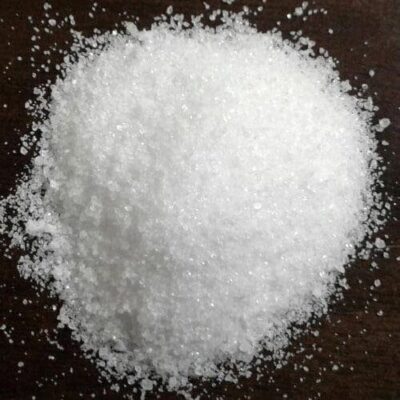
Ketamine Hydrochloride (CAS Registry Number: 1867-66-9) is a white, crystalline powder and a potent NMDA receptor antagonist used extensively in clinical, anesthetic, and psychiatric research. As the hydrochloride salt form of ketamine, it is highly water-soluble, making it the primary chemical structure utilized in pharmaceutical-grade injectable and intranasal formulations.
Chemical & Physical Properties:
IUPAC Name: 2-(2-chlorophenyl)-2-(methylamino)cyclohexan-1-one; hydrochloride
Molecular Formula: $C_{13}H_{16}ClNO \cdot HCl$
Molecular Weight: 274.18 g/mol
Solubility: Freely soluble in water and methyl alcohol; soluble in alcohol.
Purity Standards: Our documentation references USP-grade (United States Pharmacopeia) standards to ensure maximum chemical stability and safety.
Mechanism of Action in Neurobiology
Ketamine Hydrochloride acts primarily as a non-competitive antagonist at the N-methyl-D-aspartate (NMDA) receptor site. By modulating glutamate neurotransmission, the salt form facilitates the rapid synthesis of synaptic proteins, which is critical for the “Neuro Reset” observed in modern psychiatric protocols for treatment-resistant conditions.
Applications and Regulatory Compliance
At Lyfe Unit, we emphasize the importance of using certified Ketamine Hydrochloride salt within strictly regulated medical environments.
Anesthetic Induction: Reliable rapid-onset sedation with a high safety profile for both human and veterinary applications.
Psychiatric Innovation: The precursor to esketamine formulations, used in controlled settings to foster neuroplasticity and mitigate acute depressive symptoms.
Safety Protocols: All handling of this substance must comply with strict national regulatory frameworks to prevent diversion and ensure patient safety.
Showing all 2 resultsSorted by popularity

Buy Pure Ketamine Crystals 99.9% Purity | CAS 1867-66-9
Price range: $450,00 through $30,000,00 Select options This product has multiple variants. The options may be chosen on the product page- Sale!
Get Clean Ketamine Shards 99.8% Pure | Pharmaceutical Grade
Price range: $450,00 through $30,000,00 Select options This product has multiple variants. The options may be chosen on the product page