
Ketamine Decoded: New Study Sheds Light on Depression and Neuroplasticity | Lyfeunit
A revolutionary wave of neuro-imaging and community-based molecular research has officially decoded how ketamine fixes broken brain wiring. The massive takeaway? Ketamine does not care if your depression stems from severe childhood trauma or genetic bad luck—it clears clinical depressive symptoms equally across the board by unleashing an immediate glutamate surge and cracking open a critical 72-hour structural neuroplasticity window. This completely disrupts traditional psychiatric models, proving that rapid chemical remodeling can bypass psychological blocks to mend treatment-resistant neural highways.
For decades, standard psychiatry operated under an agonizingly slow model: take a pill, wait six weeks, tweak the dose, pray to the chemical balance gods, and repeat. If you had treatment-resistant depression (TRD), this cycle felt less like medicine and more like psychological purgatory. Then came ketamine—a fast-acting dissociative that behaved less like a standard antidepressant and more like a high-speed structural engineer for your synapses.
But for a long time, the underlying mechanics remained partially shrouded in mystery. Skeptics wondered: Is it just a temporary chemical high masking the pain, or is it truly fixing the neural architecture? And does a patient’s historical trauma block the drug’s structural efficiency?
With our structural focus today—Ketamine Decoded New Study Sheds Light—recent landmark multi-center trials and spatial molecular evaluations have finally cracked the code, providing answers that give immense hope to patients and clinicians worldwide.
The Breakthrough: Childhood Trauma Does Not Block Ketamine’s Efficacy
One of the most profound revelations from a major community-based study analyzing adults with severe major depressive disorder directly challenges the old psychological narrative. Traditional oral antidepressants often show significantly lower success rates in patients with heavy childhood trauma loads because of deeply ingrained, stress-altered neural circuitry.
However, modern clinical data proves that patients with high trauma loads and low trauma loads experience identical, robust reductions in depressive symptoms, response rates, and long-term remission. The molecular hammer of subanesthetic ketamine completely levels the playing field, making historical trauma irrelevant to whether the drug physically works on your receptors. If you have been wondering why ketamine could save your life when everything else failed, this structural equalizer is your answer.
The Glutamate Surge: Decoding the Synaptic Blueprint
To understand what these new studies have brought to light, we have to look at what happens inside the mammalian brain immediately after administration. Standard antidepressants target monoamines like serotonin or norepinephrine. Ketamine laughs at monoamines. Instead, it targets the master neurotransmitter system: Glutamate.
The neurobiological chain reaction occurs in explicit phases:
- NMDAR Antagonism: Ketamine selectively binds to and blocks N-methyl-D-aspartate (NMDA) receptors situated on inhibitory GABAergic interneurons.
- The Disinhibition Brake-Release: By shutting down these inhibitory brakes, the brain triggers a massive upstream surge of extracellular cortical glutamate.
- AMPA Activation & BDNF Release: This sudden flood of glutamate binds directly to Alpha-amino-3-hydroxy-5-methyl-4-isoxazolepropionic acid (AMPA) receptors. This activation acts like an electrical switch, firing up downstream intracellular cascades, including the mammalian target of rapamycin complex 1 (mTORC1) and Brain-Derived Neurotrophic Factor (BDNF).
This fundamental chemical re-engineering explains why it operates as such a powerful antidepressant. It addresses physical atrophy with physical, structural reconstruction.
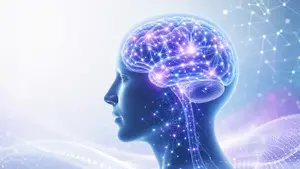
The Golden 72-Hour Window: Capitalizing on Accelerated Neuroplasticity
Perhaps the most vital practical insight from recent data is the confirmation of the transient structural window. While the intense glutamate surge happens within minutes, it leaves the brain in an unusually hyper-malleable state for a limited duration.
Understanding the precise dynamics of the 72-hour neuroplasticity window after ketamine results is what separates a short-lived mood lift from permanent behavioral transformation. Present-day clinical guidelines emphasize that during these three days, your brain is highly cooperative, soft, and ready to be reshaped. If you waste this window sitting on your couch doomscrolling through toxic social media feeds, you are effectively hardwiring those negative patterns right back into your fresh neural concrete.
To ensure long-term remission, strategic therapeutic interventions must be applied during this critical frame. Engaging heavily in targeted ketamine integration practices—such as somatic therapy, journal writing, physical movement, and cognitive behavioral restructuring—allows patients to build permanent, healthy pathways while the old, depressive loops are safely offline.
Clinical Modalities: Matching the Molecule to the Mind
Because ketamine has been safely utilized as an anesthetic for over fifty years, its clinical adoption for psychiatric distress has manifested across distinct, specialized therapeutic tools. Depending on medical history, financial access, and whether a patient is tackling chronic treatment-resistant unipolar depression or navigating complex stabilization for ketamine for bipolar depression, various clinical formats are available.
Below is a direct overview of standard clinical choices, their primary delivery mechanisms, and common medical applications:
| Clinical Format | Delivery Mechanism | Primary Application | On-Site Monitoring Required? |
|---|---|---|---|
| Intravenous (IV) Infusion | Slow systemic 40-minute drip | Severe TRD, Suicidal Ideation, Complex PTSD | Yes (Strict medical setting) |
| Esketamine (Spravato) | Targeted Intranasal Spray | FDA-approved Major Depressive Disorder | Yes (2-hour certified clinic protocol) |
| Compounded Ketamine | Sublingual Lozenges / Troches | At-home maintenance, chronic pain mitigation | Varies (Requires custom provider management) |
Navigating these formats also requires looking closely at current healthcare logistics. For instance, evaluating if insurance covers ketamine therapy for depression reveals that while intranasal options enjoy widespread coverage under strict clinical rules, standard IV protocols often remain out-of-pocket expenses. Furthermore, global supply lines can change regional options significantly; staying updated via a comprehensive compounded ketamine guide and ongoing ketamine shortages is imperative for continuous home care protocols.
Debunking the “High”: Dissociation vs. Healing
One of the biggest regulatory and public hurdles has been a deeply simple question: does ketamine therapy get you high, and is that hallucinogenic experience mandatory for your depression to go away?
Present-day neuro-pharmacokinetic studies shed fascinating light on this debate. While a subanesthetic dose undeniably induces an altered, dissociative state of consciousness (often described as floating outside one’s body or viewing life problems with objective neutrality), the *molecular repair* occurs independently of how vivid your hallucinations are. The physical binding to the receptors happens regardless.
However, psychotherapists point out that the subjective experience carries massive psychological utility. Dissociation allows patients to look directly at raw, traumatic memories without a corresponding spike in cortisol or fear. It acts like an emotional shock absorber.
Medical-Grade Solutions and Sourcing
For licensed environments, specialized clinics, and authorized treatment protocols, ensuring pure, medical-grade materials is paramount for both psychiatric stabilization and specialized physical health applications—such as utilizing a targeted ketamine vial for nerve pain relief. Below are the primary authenticated options for direct clinical integration:
1. Spravato (Esketamine) 56mg Nasal Spray Dose Kit
The standard FDA-approved, clinically monitored intranasal solution designed specifically for rapid deployment alongside oral antidepressants for treatment-resistant major depression. View Spravato Dose Kit
2. Rotexmedica Ketamine Injection
Premium medical-grade clear solution optimized for subanesthetic psychiatric infusions and robust clinical anesthetic applications.Check Rotexmedica Ketamine Online
3. Ketalar (Ketamine HCl) Injection USP 500mg/10ml
The gold-standard brand-name formulation for precise intravenous and intramuscular dosing in certified clinical environments.View Ketalar Injection USP
When is it Time to Step Away?
Because ketamine increases structural connectivity so effectively, it is easy to assume that more is always better. It isn’t. The ultimate goal of neuroplasticity is to help your brain build self-sustaining networks so you no longer require regular biochemical interventions.
Now, recognizing the stabilization plateau and learning precisely how to know when to stop ketamine therapy protects your receptors from down-regulation and ensures your bladder and urinary tract remain completely healthy. True recovery means graduating from the medicine, not replacing one lifetime chemical crutch with another.
Frequently Asked Questions (FAQ)
Scientific Framework Reference Benchmarks:
Frontiers in Pharmacology (Ketamine Mechanisms Uncovered) |
Frontiers in Neuroscience (Neuroprogression and Depression Review) |
Oxford Academic IJNP (Expanded Neurocognitive Ketamine Accounts)
This article provides a thorough overview of ketamine therapy, covering its medical applications, research进展, and the importance of quality standards. Very informative and well-written, offering valuable insights for healthcare professionals and patients alike.
This article provides a thorough overview of ketamine therapy, its benefits, and future potential. I found the information about integration with psychotherapy particularly insightful. Well-researched and informative!manus ai
Thank you for making this topic less intimidating.
You’ve done a great job with this. I ended up learning something new without even realizing it—very smooth writing!