Felt Relief Within A Day: Experiencing and Trying Ketamine For Depression
Does trying ketamine for depression deliver immediate psychological relief? Yes. Clinical data indicates that between 70% and 85% of patients facing treatment-resistant depression experience significant symptom relief, often within 4 to 24 hours of their initial session. Unlike standard SSRI options that rely on long monoamine adjustment windows, ketamine functions directly as an NMDA receptor antagonist to fix broken synaptic connections in the brain. Safe use requires specialized administration under medical care to manage brief periods of dissociation and prevent substance abuse habits.
Down the Rabbit Hole: Facing the Reality of Intractable Mood Disorders
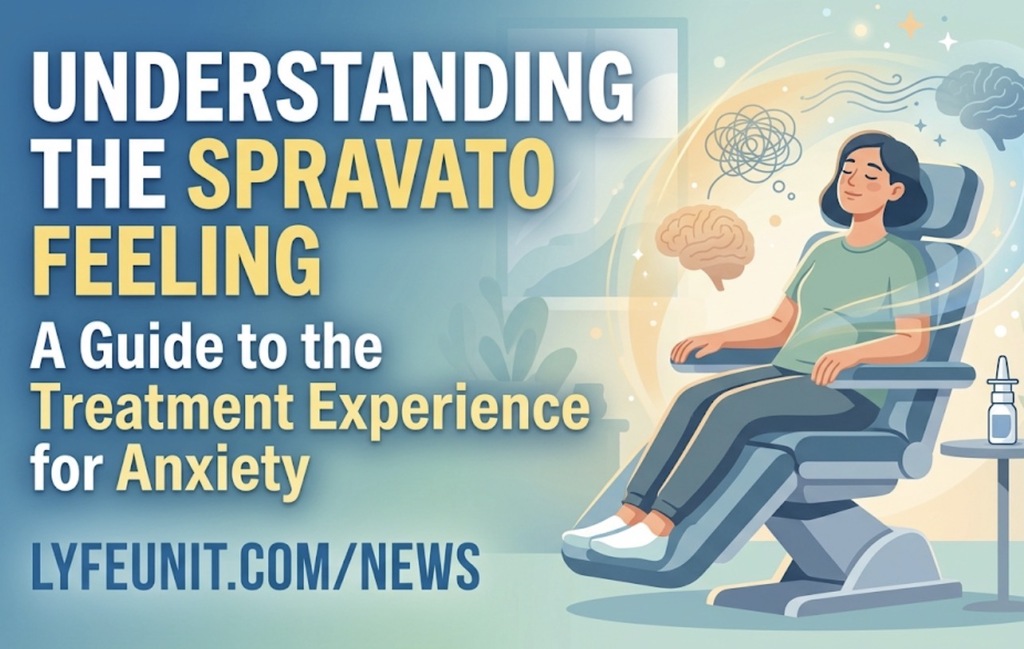
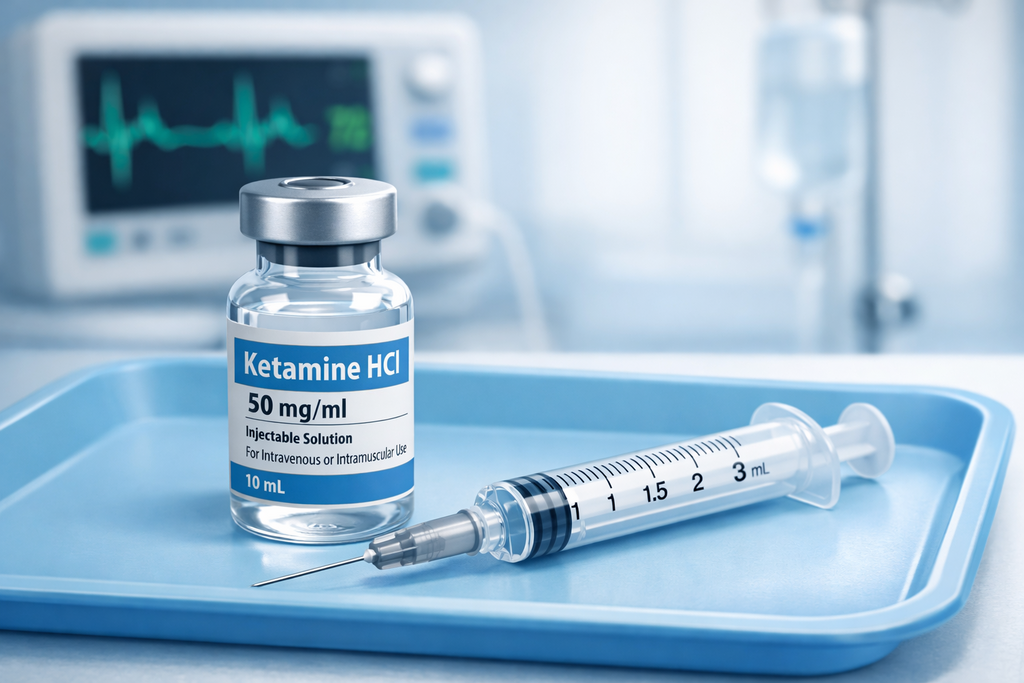
Reclining in a clinical chair, watching the world split into abstract patterns while an IV drip delivers a low dose of a former club drug, can feel a bit surreal. For an individual dealing with chronic major depressive disorder, navigating this surreal space represents a carefully calculated choice. When traditional antidepressants have failed for decades, taking the step of trying ketamine for depression transitions from an experimental alternative to a vital, life-saving option.
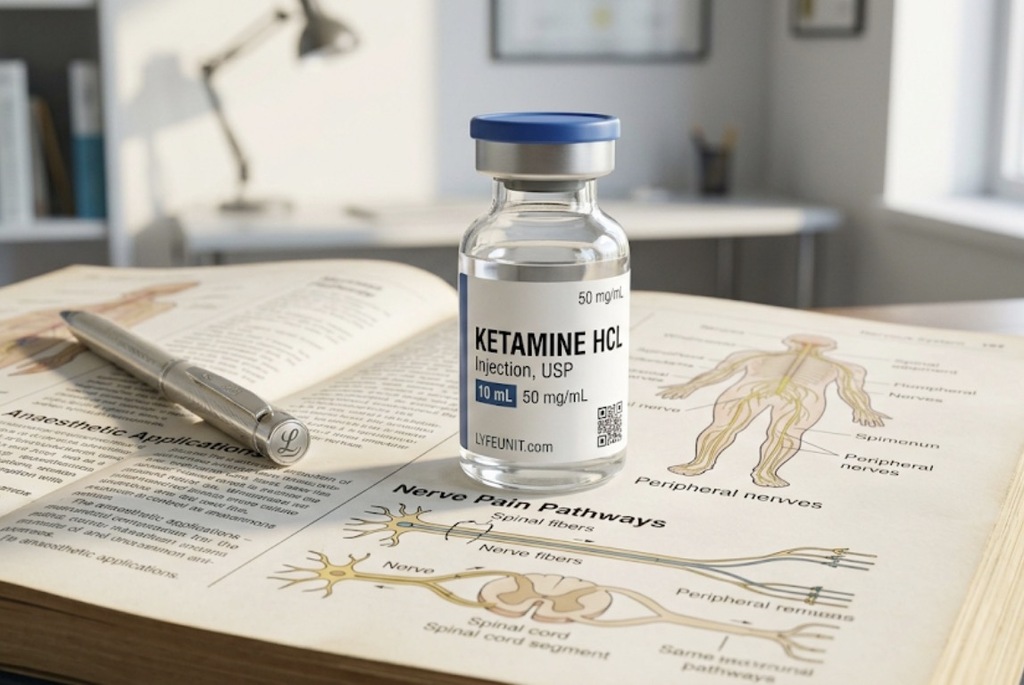
Most individuals recognize ketamine as a reliable veterinary anesthetic or a historical recreational substance. However, its targeted use within biological psychiatry marks a significant breakthrough in handling severe mood disorders. By moving past outdated monoaminergic approaches, medical ketamine directly addresses the biological roots of emotional exhaustion, providing rapid clarity to individuals who have felt trapped without options.

The Pharmacological Blueprint: Why Ketamine Operates Differently
To understand the clinical benefits of trying ketamine for depression, we must look at how it interacts with brain chemistry. Standard front-line treatments—such as Selective Serotonin Reuptake Inhibitors (SSRIs) like Prozac—aim to gradually increase serotonin levels inside synaptic spaces. Unfortunately, these traditional approaches help fewer than 40% of patients achieve full remission on their first try, often requiring several weeks just to show basic improvements.
Ketamine works along a completely different path as an N-methyl-D-aspartate (NMDA) receptor antagonist. By blocking these specific pathways in brain cells, it alters how the neurotransmitter glutamate is absorbed. Glutamate plays a crucial role in managing structural neuroplasticity, memory functions, and general mental clarity. As the liver metabolizes the compound, this process triggers a rapid growth of new neural connections, effectively rebuilding brain pathways that have been damaged by long-term chemical stress.
The Patient Journey: Moving from Treatment Desperation to Clinical Remission
Living with long-term major depression is far more complicated than simply feeling down; it can feel like a heavy, constant weight that locks someone into continuous negative thought patterns. When standard psychiatric options fail to bring relief, alternative strategies like Electroconvulsive Therapy (ECT) are sometimes suggested. While modern ECT can be effective, it presents notable hurdles, including worries over short-term memory loss and demanding post-treatment recovery steps. This makes trying ketamine for depression a highly appealing option, offering comparable or better success rates without inducing electrical seizures.
A typical clinical treatment cycle usually spans six distinct infusion sessions over a two-week period. During these individual 45-minute sessions, patients frequently experience a brief period of sensory dissociation, a transient phase sometimes described as a ‘K-hole.’ In a monitored medical setting, this dissociation is kept safe and controlled. Instead of causing distress, many patients describe the experience as a helpful mental reset that provides a fresh perspective on long-term emotional challenges.
The true therapeutic benefit typically appears the following morning. Patients often report an immediate reduction in internal distress, renewed personal motivation, and a genuine ability to reconnect with the world around them. Clinical tracking shows that roughly 70% of individuals who complete a full initial infusion cycle achieve lasting symptom remission, breaking long cycles of emotional exhaustion.
Clinical Safety Parameters & Management Protocols
Because ketamine can cause temporary spikes in blood pressure, mild heart rate increases, and transient sensory distortions, unsupervised use presents real physical risks. Sourcing authentic, laboratory-tested compounds and maintaining strict clinical dosing models are essential steps to avoid substance dependence and ensure reliable therapeutic results.
Sourcing Lab-Tested Formulations for Clinical Integration
Because accurate dosing profiles and high molecular purity are vital to achieving reliable neuroplastic repairs, sourcing research assets through verified networks is crucial. Meeting the strict requirements of authorized practitioners and research facilities, Lyfeunit provides a comprehensive, highly secure catalog of options. Every batch undergoes strict quality control steps to confirm chemical purity, protecting patients from the hazards of unverified parallel markets.
Our global logistical network manages every transaction with complete discretion, using encrypted checkout portals and unbranded packaging materials. This ensures that essential medical supplies and verified research options like pure ketamine powder, stable ketamine crystals, or standard ketamine HCl arrive safely at their destinations without exposing sensitive internal data.
As medical infrastructure expands, alternative delivery methods like targeted nasal sprays have made treatments more accessible. Sourcing reliable liquid ketamine options through trusted providers remains essential for clinics looking to offer long-term, dependable support for treatment-resistant conditions.
Frequently Asked Questions: Trying Ketamine For Depression
What should someone expect during their first time trying ketamine for depression?
When trying ketamine for depression within an authorized clinic, you will receive a low, sub-anesthetic dose monitored closely by medical staff. Patients often experience brief sensory changes, mild visual alterations, or a floating sensation. These side effects are temporary and generally fade within 15 to 20 minutes after the infusion ends.
How fast do the antidepressant effects appear compared to regular pills?
Traditional oral antidepressants can take several weeks to alter mood patterns. Ketamine functions as a direct NMDA receptor antagonist, meaning patients often report a notable lift in mood and a reduction in suicidal thoughts within 4 to 24 hours of their initial session.
How many clinical sessions are normally required for a complete initial cycle?
Standard protocols typically call for a series of six separate treatments spaced out over a two-week window. This structured frequency is designed to consistently stimulate glutamate pathways, helping to establish stable, long-term neural connections in the brain.
Is ketamine therapy fully covered by standard health insurance?
Standard intravenous (IV) ketamine infusions are currently prescribed off-label for depressive disorders and are usually not covered by basic insurance plans. However, certain intranasal variations that have received formal regulatory clearance may qualify for full or partial coverage depending on your specific provider guidelines.
Scientific Innovation Overcoming Historical Cultural Bias
Moving ketamine from its origins in emergency anesthesia into a frontline role for biological psychiatry represents a major step forward in how we treat complex mood disorders. By moving past outdated treatment models and focusing on immediate neural repair, trying ketamine for depression offers a vital, fast-acting path forward for individuals facing severe, non-responsive symptoms.
As clinical validation expands, maintaining access to pure, laboratory-tested chemical profiles remains essential for patient safety. Sourcing through trusted, established networks like Lyfeunit guarantees that medical clinics and research teams have a steady supply of standardized materials, supporting safe and reliable psychiatric care.
Primary Analytical and Clinical References
- Yale School of Medicine Psychiatric Evaluation History: Vox Comprehensive Clinical Case Analysis Archive.
- Historical Biomolecular Trials on Glutamatergic Response: National Institutes of Health PMC Neuroplasticity Study Data.
Medical Disclaimer