
Ketamine a Promising New Treatment: Clinical Benefits and the Fight Against Mental Health Stigma
An exhaustive medical analysis exploring how the transition of ketamine from a subcultural anesthetic to a fast-acting neuroplastic agent is altering modern psychiatric paradigms.
BLUFF: Bottom Line Up Front
Is ketamine a valid option for therapeutic care? Yes. Clinical research establishes that ketamine a promising new treatment for treatment-resistant depression (TRD), severe anxiety, and complex PTSD. Unlike traditional oral antidepressants that require multiple weeks to downregulate receptor sites, medical ketamine alters brain chemistry inside a few hours by targeting NMDA receptors and driving rapid synaptogenesis. To maintain safe outcomes and avoid substance abuse traps, it must be administered within qualified clinical frameworks alongside synchronous integration therapy.
The Evolution of Modern Neuropsychiatry: Ketamine a Promising New Treatment
For several generations, frontline therapies for major depressive disorders and generalized panic syndromes remained anchored to standard monoaminergic strategies. Medications like selective serotonin reuptake inhibitors (SSRIs) and serotonin-norepinephrine reuptake inhibitors (SNRIs) ruled clinical practices. Yet, a challenging clinical obstacle remained: a notable portion of patients achieved no symptom resolution, falling into the category of treatment-resistant depression (TRD). Against this backdrop, deep scientific discovery positioned ketamine a promising new treatment—offering an advanced pharmacological alternative that addresses structural neural damage within hours rather than months.
The cultural narrative of ketamine is highly complex, marked by a history of dual use. Originally synthesized in 1962 to substitute phencyclidine (PCP), it earned widespread approval as an emergency anesthetic on battlefields and in surgical suites due to its remarkable ability to preserve protective laryngeal reflexes and maintain stable blood pressure. Concurrently, its profound dissociative properties led to its widespread adoption within recreational electronic music scenes throughout the late 1990s and early 2000s. Today, this historical baggage creates a significant sociological challenge: balancing its exceptional efficacy as a psychiatric solution against the cultural pushback fueled by decades of drug abuse stigmas.
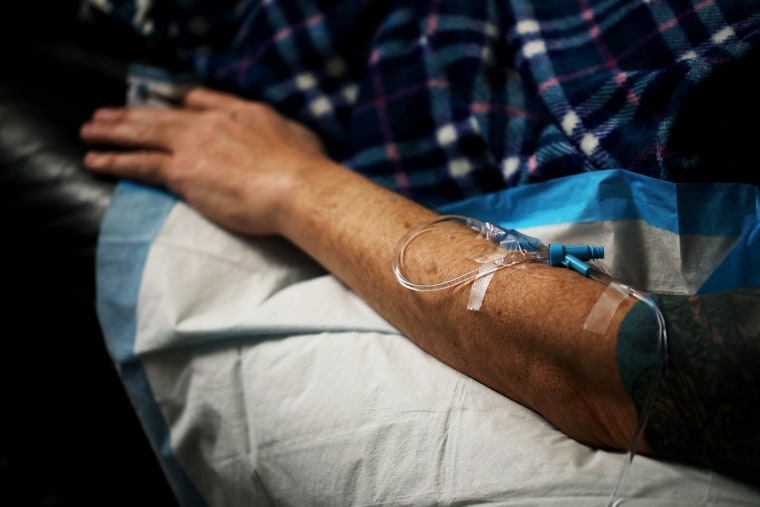
Deconstructing the Neurobiological Blueprint
To grasp why ketamine a promising new treatment yields such unparalleled real-world results, it is necessary to examine how it functions differently from conventional antidepressants. Standard monoamine pills attempt to elevate baseline concentrations of serotonin, dopamine, or norepinephrine within synaptic gaps. This process depends on slow downstream adjustments in genomic expression, meaning patients frequently wait four to eight weeks before feeling any therapeutic improvements.
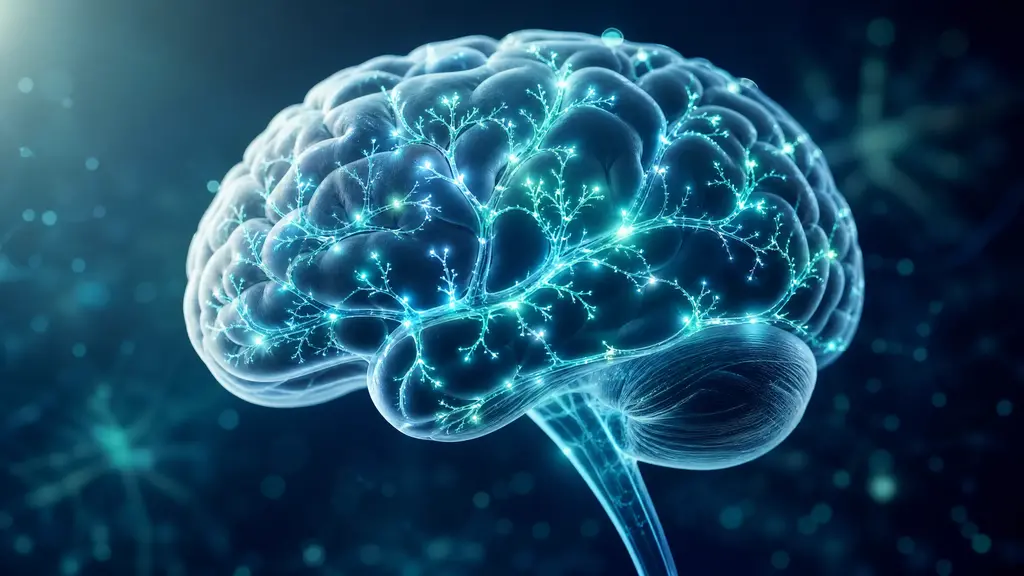
Ketamine ignores this pathway completely. It works primarily as an N-methyl-D-aspartate (NMDA) receptor antagonist. By blocking these receptors on inhibitory gamma-aminobutyric acid (GABA) interneurons, ketamine triggers a sudden, controlled surge of glutamate into the synaptic space. This rapid neurotransmitter release stimulates alpha-amino-3-hydroxy-5-methyl-4-isoxazolepropionic acid (AMPA) receptors, activating crucial signaling pathways such as mammalian target of rapamycin (mTOR).
This capacity to restore neuroplastic connectivity explains how a single sub-anesthetic clinical session can rapidly shut down acute suicidal ideation and lift severe depressive states within hours. For individuals trapped in persistent states of mental distress, this quick action represents a vital breakthrough in emergency psychiatric intervention.
Pop Culture Profiles: Lamar Odom and the Deconstruction of Public Stigma
The societal shift toward accepting ketamine a promising new treatment has been accelerated by prominent public advocacy. In the revealing documentary “Reborn,” former NBA champion Lamar Odom candidly shares his deep personal history with substance dependence, mental health struggles, and his eventual path to recovery through supervised ketamine sessions. After a highly publicized near-fatal crisis in 2015, Odom attributes his recovery and mental stability to the targeted application of medical ketamine infusions, which helped break his long cycle of addiction and trauma.
Odom’s public advocacy provides an instructive case study in reducing mental health stigma, particularly across communities where seeking help is historically viewed as an admission of weakness. In personal interviews, Odom noted that men, especially within the African American community, are often conditioned to mask emotional pain. By stepping forward as a vocal champion for alternative psychedelic interventions, prominent figures help dismantle deep-seated cultural biases, reframing medical support as an act of personal strength and resilience.

Alternative Modalities: ECT vs. Ketamine Interventions
When analyzing clinical pathways for severe, non-responsive psychiatric crises, medical professionals frequently contrast ketamine against Electroconvulsive Therapy (ECT). Famously championed by figures like Carrie Fisher, modern ECT remains a highly effective option for treatment-resistant populations, yet it battles intense cultural stigma stemming from inaccurate, outdated depictions in popular media. When integrated alongside contemporary anesthesia and muscle relaxants, ECT provides vital support, though it carries distinct challenges, including short-term memory disruption and logistical demands around recovery windows.
Ketamine offers a non-convulsive option that avoids the cognitive side effects associated with electrical induction. Because patients remain conscious or semi-conscious throughout the experience, it provides an alternative pathway for individuals who cannot or choose not to undergo the mechanical complexities of ECT. However, clinical experts maintain that ketamine should not be viewed as a standalone cure-all. Its real-world success depends heavily on being integrated within an overarching care model that pairs chemical sessions with structured integration talk therapy.
Essential Clinical Warning Profile
Despite the clear value of ketamine a promising new treatment, it presents real physiological side effects. Patients routinely describe transient dissociation, visual alterations, elevated heart rates, and temporary blood pressure spikes during sessions. Prolonged or unmonitored recreational abuse carries severe risks, including permanent cognitive decline and severe ulcerative cystitis (commonly known as ‘ketamine bladder’). Thus, precise medical oversight remains non-negotiable.
Accessing Professional Formulations and Procurement Protocols
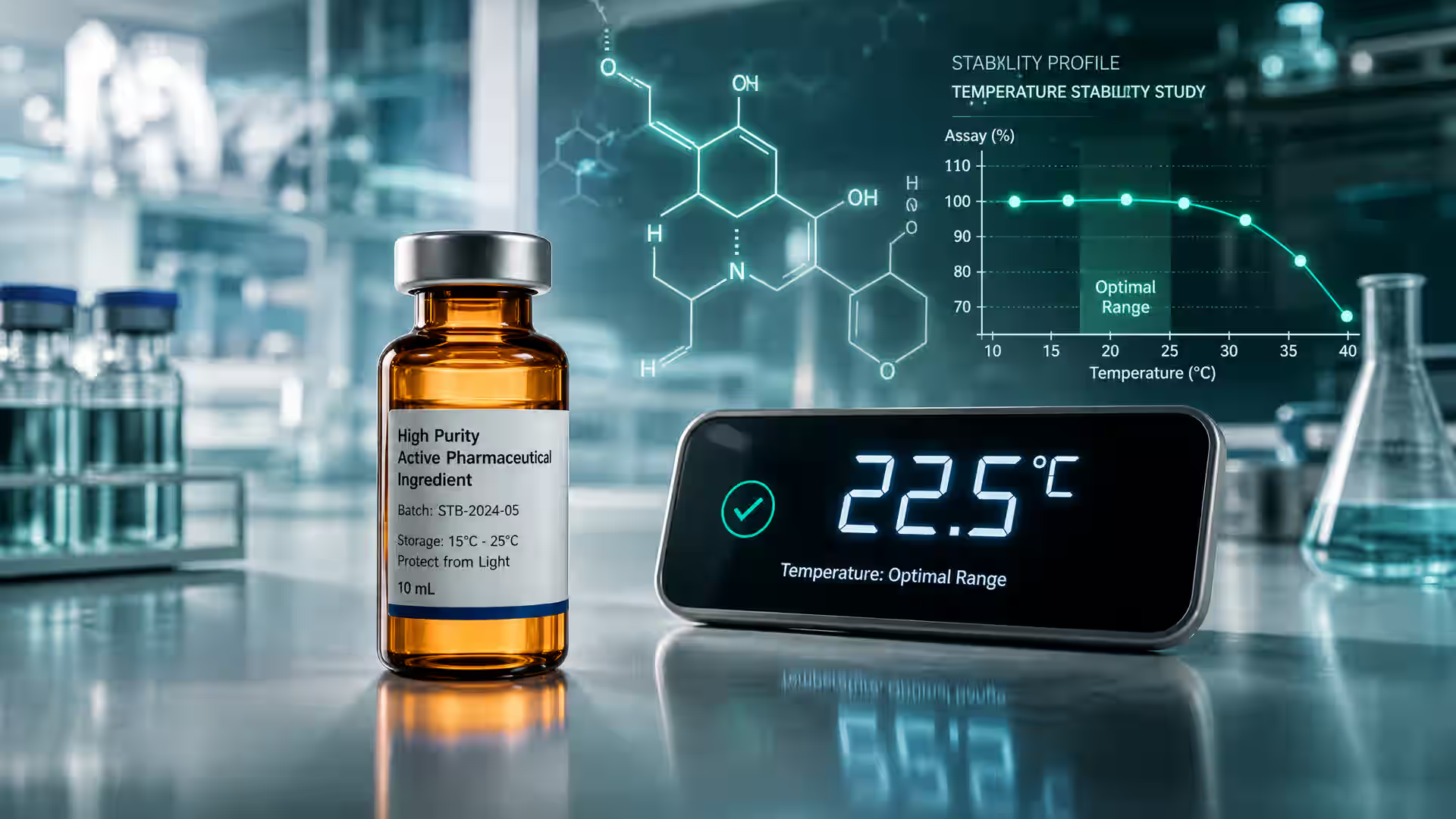
Because ketamine requires precise chemical purity and accurate dosing models, sourcing through vetted channels is critical to ensuring patient safety. Recognizing the growing international need for premium research and clinical grade materials, Lyfeunit provides a comprehensive, highly secure catalog of options tailored to specific institutional and veterinary requirements. Every product batch undergoes rigorous testing to guarantee clean molecular structures, protecting therapeutic outcomes from the dangers associated with unverified illicit supplies.
Liquid Ketamine Solutions
Optimized for precise volumetric delivery within clinical and lab environments. Our premium formulas guarantee absolute stability. Discover options to inquire about Liquid Ketamine through our secure system.
Rotexmedica Formulations
Manufactured to strict international pharmaceutical safety standards, providing premium reliability for clinical environments. Practitioners can Get Rotexmedica ketamine now with complete privacy safeguards.
Our global distribution infrastructure prioritizes customer anonymity, utilizing encrypted payment processing and plain, unmarked shipping materials. This ensures that essential medical research assets and clinical supplies arrive safely and discreetly at their destinations without exposing sensitive internal data to third parties.
Frequently Asked Questions: Ketamine a Promising New Treatment
Why is medical ketamine considered a promising new treatment for depression?
Conventional antidepressants try to balance monoamine levels like serotonin over weeks of daily use. Ketamine works along an independent pathway as an NMDA receptor antagonist, rapidly stimulating a surge of glutamate that repairs damaged neural connections within the prefrontal cortex in just a few hours.
What is the difference between IV ketamine infusions and Spravato nasal spray?
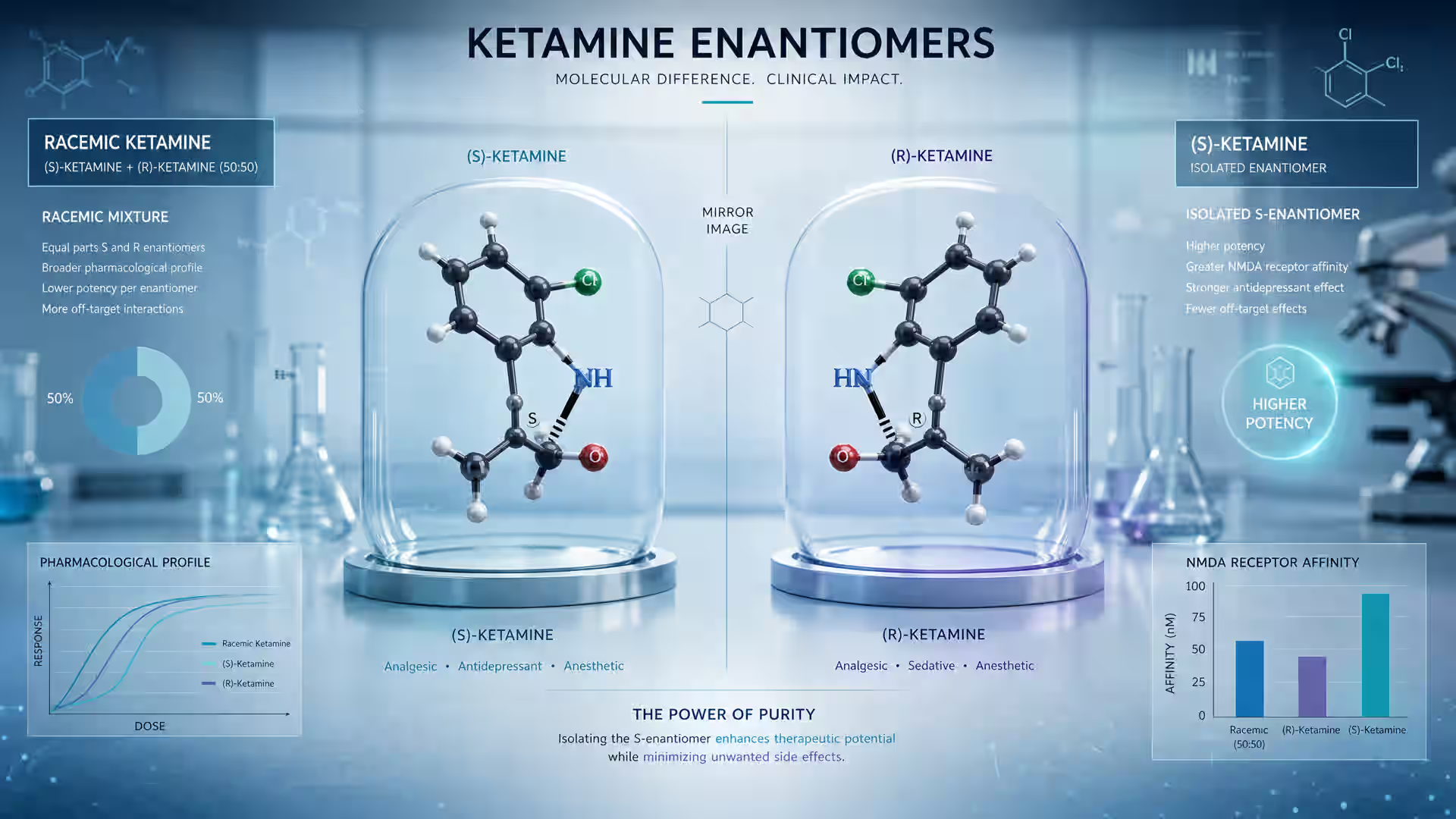
Intravenous (IV) infusions deliver racemic ketamine directly into the bloodstream with 100% bioavailability, allowing for real-time dose adjustments. Spravato is an FDA-approved nasal spray that utilizes esketamine (the S-enantiomer of the molecule), which is explicitly cleared for treatment-resistant depression under strict risk management guidelines.
Does ketamine therapy require ongoing psychiatric talk therapy?
Absolutely. Frontline mental health professionals agree that ketamine’s true benefit lies in opening a temporary window of heightened neuroplasticity. Pairing these sessions with targeted integration therapy allows patients to process deep emotional trauma and establish lasting behavioral changes.
What are the primary long-term risks of unmonitored ketamine misuse?
When abused outside of professional clinical controls, excessive ketamine use can lead to severe ulcerative cystitis (resulting in profound bladder damage), significant memory impairment, and psychological dependence. Vetted medical centers keep doses low and closely monitored to prevent these issues.
Conclusion: Embracing Scientific Progress Over Cultural Stigma
The transformation of ketamine from a common surgical anesthetic into a modern tool for neuropsychiatric care underscores a significant advance in our approach to complex mental health disorders. By moving past historical stigmas and embracing structured, evidence-based applications, healthcare professionals continue to uncover the deep benefits of ketamine a promising new treatment for populations who had long lost hope of finding relief.
As clinical trials further clarify the long-term benefits of psychedelic medicine, maintaining clear communication, professional oversight, and reliable product sourcing remains essential. By anchoring clinical access within trusted professional systems like Lyfeunit, we can responsibly harness this powerful molecular tool to support long-term psychiatric healing and personal growth.
Medical References and Literature Sources
- National Institutes of Health Analysis on Efficacy: PMC Biomolecular Anesthesia Clinical Study Data.
- Food and Drug Administration Approval Mandates: FDA Spravato Esketamine Certification Records.
- Johns Hopkins Psychiatry Brain Stimulation Protocols: ECT Clinical Methodology FAQ Node.
- Harvard Health Publications Neuroplastic Research: Harvard Ketamine Infrastructure Analysis Blog.

Thanks for support how I can thank you?